
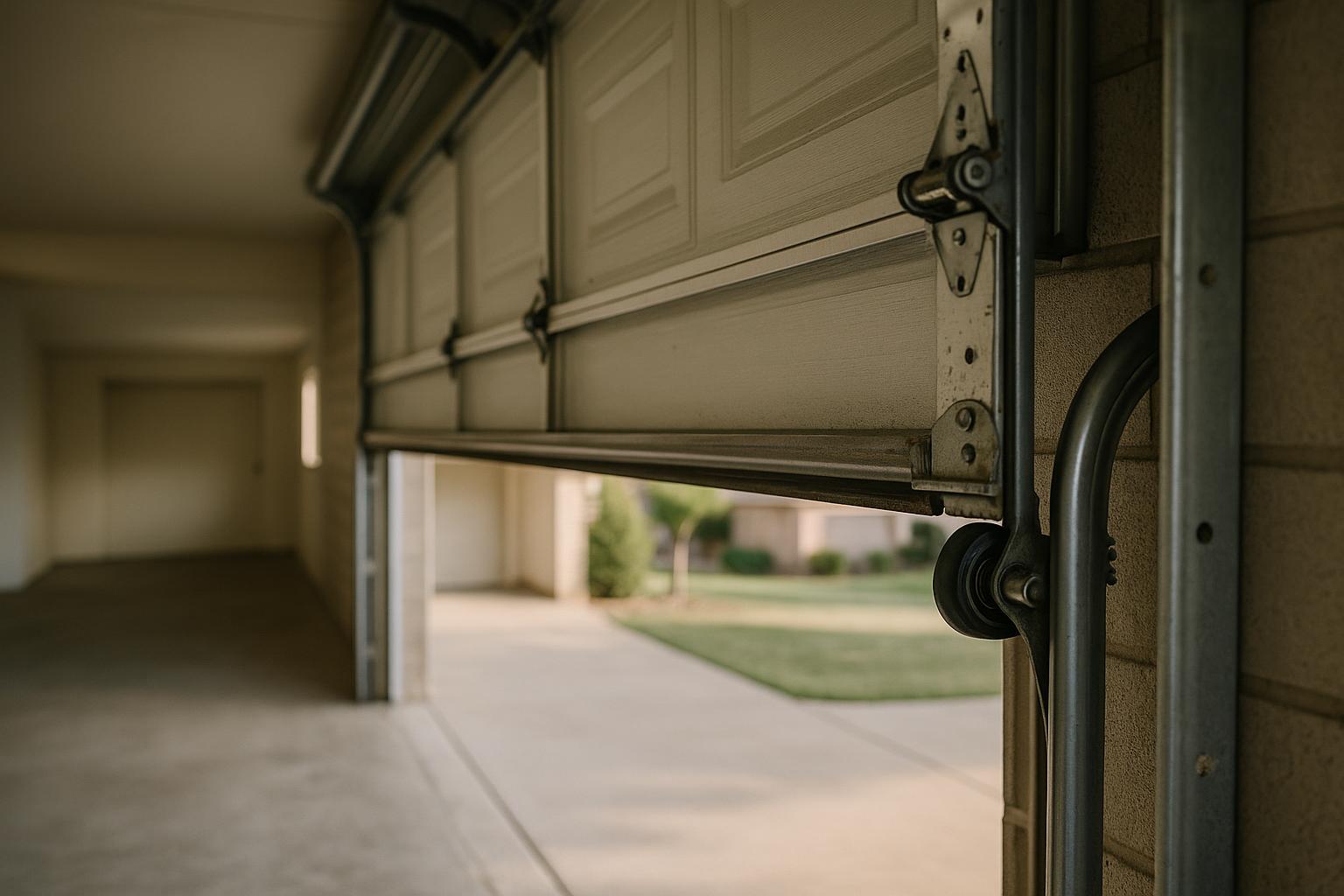
When Your Garage Door Sounds Like It's Falling Apart
You press the button on your garage door opener, and instead of a smooth, quiet operation, you're greeted with grinding, squealing, banging, or rattling. If your garage door has started making loud or unusual noises, you're not alone — it's one of the most common concerns we hear from homeowners across Fayetteville and Lincoln County.
The good news is that most garage door noises have identifiable causes, and many of them are fixable before they turn into expensive repairs. The bad news? Ignoring those sounds usually makes things worse. In this guide, the team at Fayetteville Garage Door Co breaks down the most common garage door noises, what they mean, and what you should do about each one.
Grinding or Scraping Sounds
A grinding noise when your garage door opens or closes is one of the most alarming sounds you can hear. It often indicates one of the following issues:
- Worn-out rollers: Metal rollers can wear down over time, especially if they haven't been lubricated regularly. As the metal-on-metal contact increases, you'll hear a harsh grinding sound as the door travels along the tracks.
- Misaligned tracks: If the vertical or horizontal tracks have shifted even slightly, the door can scrape against them as it moves. This not only creates noise but can also cause uneven wear on the door panels.
- Damaged opener gears: Inside your garage door opener, there are drive gears that can strip or wear out. When they start to fail, you'll often hear a grinding noise coming from the motor unit itself.
If you're hearing grinding, it's worth having a technician inspect the system sooner rather than later. Continuing to operate a door with misaligned tracks or stripped gears can lead to the door jamming or falling off the tracks entirely.
Squealing or Squeaking Noises
High-pitched squealing is usually the easiest problem to diagnose — and often the easiest to fix. In most cases, it comes down to a lack of lubrication. The hinges, rollers, springs, and bearing plates on your garage door all need periodic lubrication to operate smoothly.
Here in Fayetteville, TN, seasonal temperature swings can accelerate the drying out of lubricant on metal components. A garage door that was perfectly quiet in the summer might start squealing once cooler weather arrives and metal contracts slightly.
What You Can Do
Apply a silicone-based or lithium-based garage door lubricant to the following components:
- Hinges (where they pivot)
- Rollers (especially the bearings)
- Torsion springs
- Bearing plates at the top of the door
- The opener's chain or screw drive
Important: Avoid using WD-40 as a long-term lubricant. While it's great for loosening stuck parts, it's not designed for ongoing lubrication and can actually attract dust and grime over time.
Banging or Popping Sounds
If your garage door makes a loud bang or pop — especially when it first starts moving — the issue is often related to the torsion springs. Springs are under tremendous tension, and as they wind and unwind during each cycle, worn or improperly adjusted springs can create sudden, sharp sounds.
Another common cause of banging is loose hardware. Over time, the nuts, bolts, and brackets that hold your garage door system together can vibrate loose. A single loose hinge or bracket can cause a surprising amount of noise every time the door moves.
We recommend checking and tightening all visible hardware every six months. However, never attempt to adjust or replace torsion springs yourself — these components are under extreme tension and can cause serious injury if handled incorrectly. That's a job for a trained garage door technician.
Rattling or Vibrating Noises
A rattling garage door often points to loose components somewhere in the system. Common culprits include:
- Loose chain on a chain-drive opener: If the chain has too much slack, it can slap against the rail and create a rattling sound during operation.
- Loose nuts and bolts: As mentioned above, hardware loosens over time. A quick inspection with a socket wrench can often solve the problem.
- Vibrating opener unit: If your opener is mounted directly to the ceiling without anti-vibration pads, the motor's vibration can transfer to the ceiling and walls, amplifying the noise throughout your home.
Upgrading to a Quieter System
If your garage door opener is more than 15 years old and uses a chain-drive system, you might consider upgrading to a belt-drive opener. Belt-drive openers are significantly quieter and are an excellent choice for homes where the garage is adjacent to living spaces or bedrooms. Our team installs and services all major opener brands for homeowners throughout Fayetteville, Shelbyville, Lynchburg, and the surrounding areas.
Clicking or Ticking Sounds
A repetitive clicking sound usually comes from the opener's drive mechanism. In chain-drive systems, it can indicate a worn sprocket or a chain that needs adjustment. In screw-drive openers, clicking might mean the drive screw needs lubrication or that the trolley carriage is wearing out.
Clicking sounds are generally less urgent than grinding or banging, but they shouldn't be ignored indefinitely. Left unaddressed, the underlying issue will typically worsen and could eventually cause the opener to fail completely.
When to Call a Professional
Some garage door noises can be resolved with basic maintenance — a little lubricant, a few tightened bolts, and you're back in business. But other sounds signal problems that require professional diagnosis and repair. You should call a garage door technician if:
- The noise is accompanied by the door moving unevenly or getting stuck
- You notice frayed cables, cracked rollers, or visibly damaged springs
- The door shakes or vibrates excessively during operation
- Lubrication and tightening hardware didn't resolve the noise
- The noise started suddenly after the door was struck or impacted
At Fayetteville Garage Door Co, we offer thorough inspections and maintenance services designed to identify the root cause of noisy operation and fix it right the first time. Whether you need a simple tune-up or a full roller and hardware replacement, we provide honest assessments and upfront pricing — no surprises.
Preventive Maintenance Goes a Long Way
The best way to avoid a noisy garage door is to stay ahead of wear and tear with regular maintenance. We recommend scheduling a professional maintenance visit at least once a year. During a typical maintenance appointment, our technicians will:
- Lubricate all moving parts
- Inspect and tighten hardware
- Check track alignment
- Test spring tension and balance
- Inspect cables and rollers for wear
- Test the opener's safety features
Regular maintenance not only keeps your garage door quiet but also extends the lifespan of every component in the system, saving you money on premature replacements.
Keep Your Garage Door Running Smoothly
A noisy garage door is more than just an annoyance — it's your door telling you something needs attention. Whether you're dealing with a minor squeak or a concerning grinding sound, addressing the issue early can prevent costly repairs down the road.
If your garage door is making unusual noises and you're not sure what's causing it, give Fayetteville Garage Door Co a call. We serve homeowners and businesses across Fayetteville, TN and the surrounding communities with fast, reliable garage door repair and maintenance. Let us help you get back to a smooth, quiet garage door.