
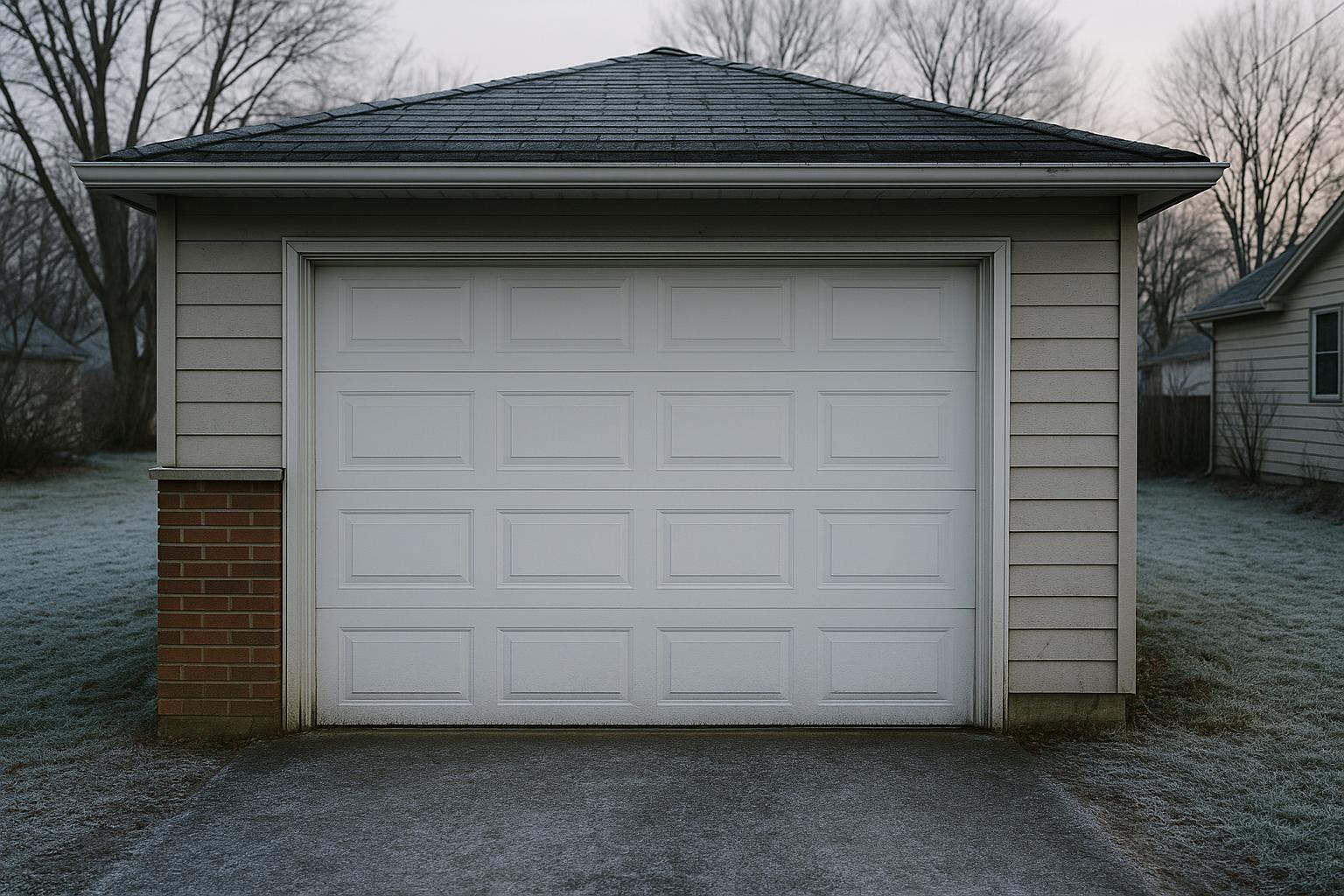
Why Cold Weather and Garage Doors Don't Always Get Along
If you've ever walked out on a freezing Fayetteville morning only to find your garage door refusing to budge, you're not alone. Cold weather is one of the most common — and most frustrating — causes of garage door problems, and it catches homeowners off guard every winter.
While Lincoln County doesn't see the extreme cold of northern states, temperatures in the 20s and 30s are more than enough to cause issues with your garage door's mechanical and electrical components. Understanding what's happening and how to respond can save you time, money, and a lot of stress on those bitter mornings when you just need to get to work.
Common Reasons Your Garage Door Won't Open in the Cold
1. The Weather Seal Is Frozen to the Ground
This is the most frequent culprit. The rubber weather seal along the bottom of your garage door is designed to keep out drafts, rain, and pests. But when temperatures drop and moisture is present, that seal can freeze directly to your concrete driveway or garage floor.
When you hit the opener button, the motor strains against the frozen seal. In some cases, the door won't move at all. In others, the opener may disengage its safety mechanism and stop trying, leaving you stuck.
What to do: Never force the door open with the opener — this can damage the motor, strip gears, or tear the weather seal. Instead, try these steps:
- Use a heat gun or hair dryer to gently warm the bottom seal and melt the ice.
- Pour warm (not boiling) water along the base of the door to loosen the bond.
- Once free, carefully scrape away remaining ice and dry the area.
- Apply a silicone-based lubricant to the bottom seal to help prevent refreezing.
2. Metal Components Have Contracted
Metal contracts when it gets cold. Your garage door system is full of metal parts — tracks, springs, hinges, and rollers — and even slight contraction can cause binding, misalignment, or increased friction. You might notice the door moving slower than usual, jerking as it opens, or stopping partway.
What to do: Apply a garage door-specific lubricant (not WD-40, which is a solvent, not a lubricant) to the tracks, rollers, hinges, and springs. A silicone or lithium-based spray works best. This reduces friction caused by contracted metal parts and helps everything move smoothly.
3. Hardened or Thickened Grease
The lubricant already on your garage door's moving parts can thicken or harden in cold temperatures. This creates resistance throughout the system and makes the opener work harder than it should. Over time, this extra strain can shorten the life of your opener motor.
What to do: If your door is sluggish in winter, a fresh application of cold-weather-appropriate lubricant can make a noticeable difference. During your next maintenance visit, ask your technician about the right product for Tennessee's winter conditions.
4. The Garage Door Opener Loses Power or Sensitivity
Cold weather can affect the electrical components of your garage door opener. Some openers have a force setting that determines how hard the motor pushes or pulls the door. When cold weather increases resistance, the opener may interpret the extra effort as an obstruction and stop or reverse the door as a safety precaution.
What to do: Check your opener's manual for instructions on adjusting the force settings. A slight increase may solve the problem, but be cautious — setting the force too high can create a safety hazard. If you're unsure, it's best to have a professional handle the adjustment.
5. Dead or Weak Remote Batteries
This one is easy to overlook. Cold temperatures drain batteries faster, and the remote transmitter you keep in your car is especially vulnerable. If your wall-mounted button works fine but the remote doesn't, the batteries are likely the issue.
What to do: Replace the batteries in your remote and any keypad mounted outside your garage. Keep spare batteries on hand during the winter months.
How to Prevent Cold Weather Garage Door Problems
The best approach is to prepare before the cold hits. Here are some preventive steps Fayetteville homeowners can take each fall:
- Schedule a maintenance check. A professional inspection before winter ensures your springs, cables, rollers, and opener are all in good condition and properly lubricated.
- Replace worn weather seals. If your bottom seal is cracked, brittle, or missing sections, replace it before freezing temperatures arrive. A fresh seal keeps cold air out and is less likely to bond to a wet surface.
- Keep the garage floor dry. Water pooling at the base of your door is the main reason seals freeze to the ground. Sweep away snow, slush, and standing water regularly.
- Lubricate all moving parts. Apply a silicone or lithium-based lubricant to springs, hinges, rollers, and tracks at least twice a year — once in the fall and once in the spring.
- Test the door's balance. Disconnect the opener and manually lift the door halfway. If it doesn't stay in place, the springs may need adjustment. An unbalanced door puts extra strain on the opener, and that strain gets worse in cold weather.
When to Call a Professional
Some cold weather issues are easy DIY fixes — replacing batteries, applying lubricant, or melting ice from the seal. But other problems require professional attention:
- The door is visibly misaligned or off its tracks.
- Springs appear stretched, damaged, or broken.
- The opener motor runs but the door doesn't move.
- You hear grinding, popping, or snapping sounds.
- The door is too heavy to lift manually.
Garage door springs and cables are under extreme tension and can cause serious injury if handled incorrectly. If you suspect a mechanical issue beyond basic maintenance, call a trained technician.
Fayetteville Garage Door Co Is Here When the Cold Hits
At Fayetteville Garage Door Co, we've helped homeowners and businesses across Fayetteville, Shelbyville, Lynchburg, Winchester, Tullahoma, and Pulaski deal with every kind of garage door problem — including the ones that only show up when the temperature drops. Whether you need an emergency repair on a frozen morning or want to schedule a fall maintenance visit to get ahead of winter, our team is ready to help.
We offer honest pricing, fast response times, and the kind of straightforward service you'd expect from a locally operated company. Don't wait until you're stuck in your driveway on the coldest day of the year — contact us today to schedule your winter garage door checkup.